
3 Year Old Milestones UK: Complete Guide for Parents
Everything you need to know about developmental milestones for 3 year olds — physical, language, social and cognitive — with reference to NHS guidance.
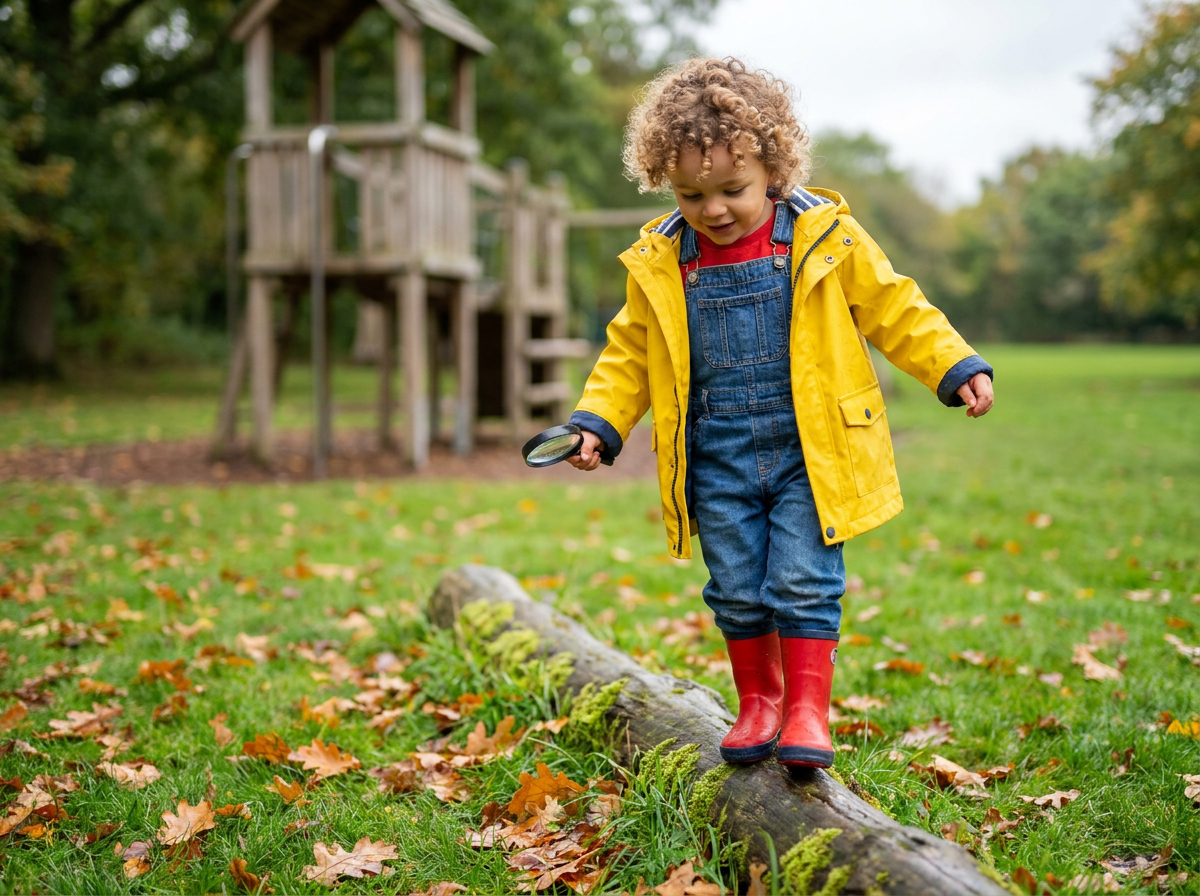
Your child’s third birthday is a big deal — and not just because of the cake. At three years old, children enter one of the most exciting and fast-moving stages of early development. They’re talking more, playing with others, testing limits, and showing you glimpses of the little person they’re becoming.
If you’ve been searching for what the 3 year old milestones UK guidance actually says — or wondering what should a 3 year old be able to do — you’re in the right place. This guide covers everything, with reference to NHS guidance.
What Are Developmental Milestones for 3 Year Olds?
Developmental milestones are the skills and abilities most children reach around a certain age. According to NHS guidance, children develop in lots of different ways — through interacting and exploring their world, over time developing skills such as walking, talking, and getting dressed.
Milestones should be treated as a rough guide, as each child is unique and will develop at their own pace. It is often unhelpful to compare a child with their siblings or peer group.
The developmental milestones for 3 year olds fall into four main areas: physical development, communication and language, social and emotional development, and cognitive development.
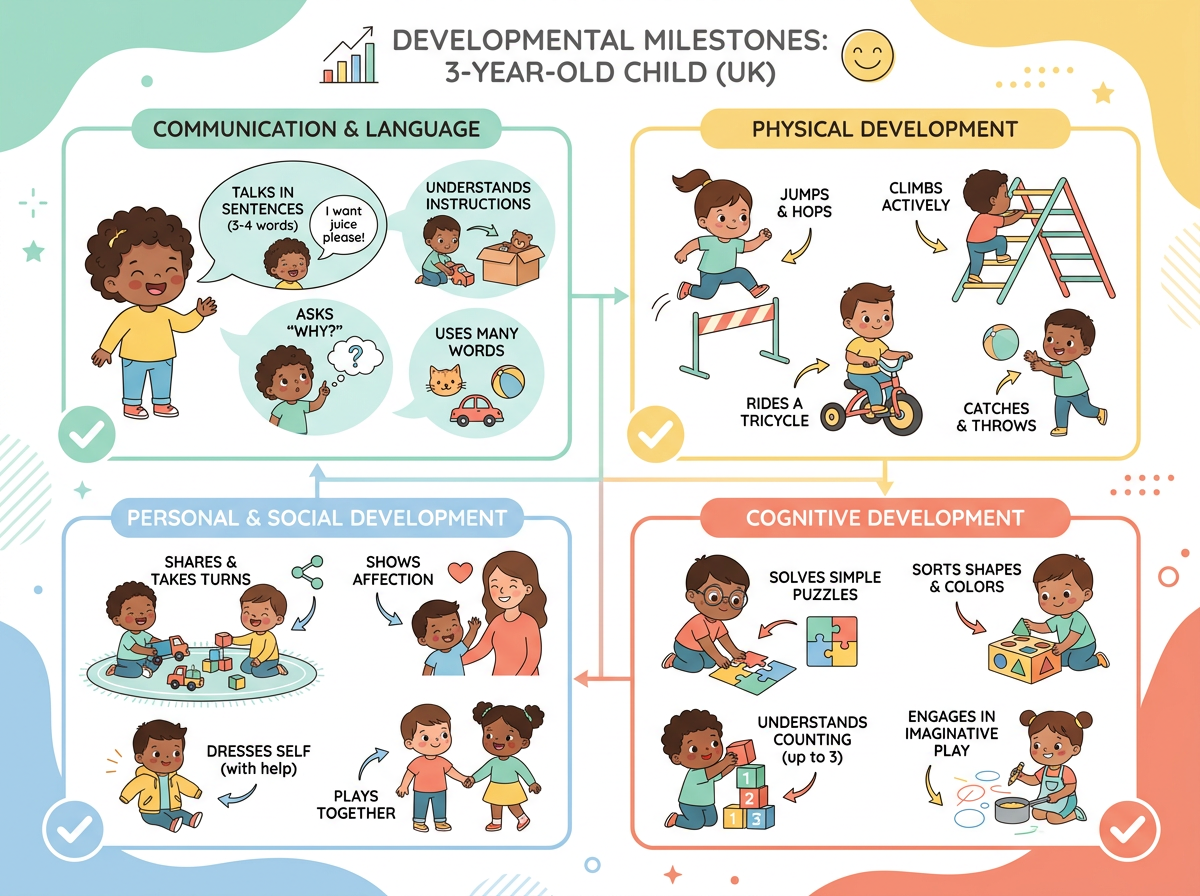
Physical Development: 3 to 5 Years
Gross Motor Skills at Age 3
At three years old, most children are bursting with energy and love to move. According to NHS guidance, at around 3 years old you can expect your child to:
- Walk on tiptoes when shown
- Walk upstairs with alternate feet (still both feet on each step coming down)
- Stand on one foot without holding on for 1 second
- Catch a large ball
- Pedal a tricycle
- Climb on obstacles, furniture and outdoor play areas
Growth and Appearance
At around age 3, children typically grow around 5–7 cm per year and gain roughly 2 kg annually, though there is significant natural variation. Most children have become slimmer and lost the rounded tummy of a toddler by this age. If you’re ever unsure whether your child’s growth pattern is healthy, use our free growth chart calculator below.
Enter your child’s details to see where they sit on the growth chart for their age.
Fine Motor Skills at Age 3
Alongside bigger movements, three year olds are developing control over smaller muscles. At this age, many children can copy simple shapes, draw a person with two or three body parts, use safety scissors with supervision, pour water from a jug into a cup, and use a fork to eat independently.

Communication and Language Milestones
One of the most noticeable changes at age three is the explosion in language. By this age, children may have around 1,000 words, and by the end of their third year, a vocabulary of around 1,500 words. They want to learn — often asking “What’s that?” or “Why?” — and can answer simple questions.
At around 3 years old you can expect your child to:
- Say their own name, age and whether they’re a boy or girl
- Use sentences of 3 or more words
- Say numbers up to 10
- Ask “why” and “what” questions regularly
- Understand and use “you”, “me” and “I” correctly
- Describe what’s happening in a picture book
- Be understood by people outside the family most of the time
How to Encourage Language Development
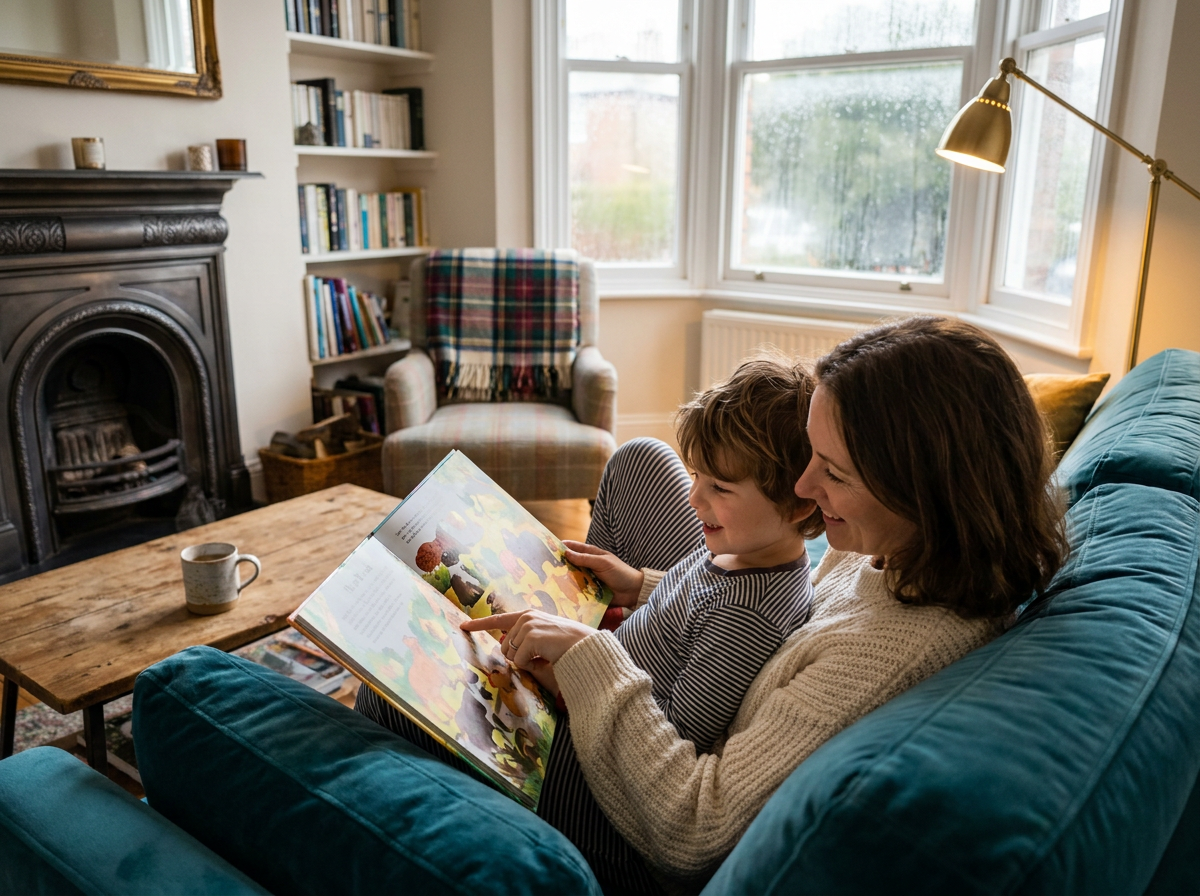
Everyday conversations are the most powerful tool you have. When your child says “dog”, expand it: “Yes, it’s a big brown dog!” Read picture books together, ask open questions, and talk about feelings using simple words like “happy”, “sad”, or “frustrated”.
Social and Emotional Development at 3 Years Old
Between 3 and 4, children will usually be less rebellious than they were at age 2. They’re friendly and helpful, have some level of self-control and use words to express what they want. Children become more independent and can follow a series of simple instructions.
At this age, your child is also beginning to:
- Play with other children rather than just alongside them
- Take turns (with some reminding)
- Share toys — though this is still a work in progress
- Show empathy and notice when others are upset
- Engage in vivid imaginative and pretend play

Cognitive Development: What Should a 3 Year Old Know?
By this age, children can count to three and tell their age by holding up fingers, know their first and last name, draw a picture and name it, and understand concepts like “big” versus “little”.
A summary of cognitive skills typical at this age:
- Recognise and name basic colours (red, blue, yellow, green)
- Sort objects by shape or colour
- Understand “same” and “different”
- Follow a two or three-step instruction
- Recall parts of a familiar story
- Engage in imaginative play with made-up scenarios
3 Year Old Milestones Checklist
Use this as a rough reference — not a pass/fail test. Tick off what your child can do and don’t worry if a few items are still in progress.
How to Encourage Your 3 Year Old’s Development
You don’t need expensive toys or structured classes. Toddlers do not need lots of toys or devices to have fun or to encourage development. Toddlers have very active imaginations — playing with old cardboard boxes or homemade playdough are great alternatives.
- Trips to the park — climbing, running and social play all in one
- Arts and crafts — develops fine motor skills and creativity
- Reading together — the single most powerful thing for language development
- Pretend play — builds language, empathy and imagination
- Simple baking — counting, measuring, following steps
- Water and sand play — sensory exploration and early science
At Big Brain Child, we’ve also written a detailed guide on what affects a child’s final height for parents who want to understand physical growth in more depth.
The NHS 2-Year Healthy Child Review Explained
One of the most important checks in the UK’s early years system happens just before your child turns three. As part of the Healthy Child Programme, the 2-year review is carried out between the ages of 2 and 2.5 years by a member of the Healthy Child team, usually a health visitor, nursery nurse or children’s nurse. The review might take place at a local children’s centre, GP surgery, or at home.
The review covers your child’s physical health and growth, language and communication development, social and emotional wellbeing, and any concerns you have as a parent. It’s a two-way conversation — bring your Red Book and come prepared with any questions.
If your child is now 3 and you’re unsure whether they had this review, contact your GP practice or health visiting team directly. You can also request a development check at any time if you have new concerns.
When to Speak to Your GP or Health Visitor
Most children develop well within a broad and natural range. However, it’s worth seeking advice if, by age 3, your child:
- Cannot walk up and down stairs independently
- Does not run or jump
- Does not use sentences of three or more words
- Shows no interest in playing with other children
- Does not engage in any pretend or imaginative play
- Is very difficult to understand even by familiar adults
- Shows signs of significant regression (losing skills they previously had)
Sometimes development can be slower than you expect. It’s normal to feel worried but there is lots of support out there. Your health visitor or GP is always a good first point of contact.
Frequently Asked Questions
- NHS Cambridgeshire & Peterborough — 3 Year Developmental Milestones
- Buckinghamshire Healthcare NHS Trust — Development Guide 3 to 5 Years
- NHS Just One Norfolk — Developmental Milestones
- NICE — Healthy Child Programme 2-Year Review
- WHO — Child Growth Standards
Those calculator things are awesome.
Great to hear you found those useful!